When do location pages make sense?
When the business serves several towns from one base and the searches include the town. A Halifax roofing firm that regularly works in Huddersfield, Bradford and Keighley will find people searching roofer Huddersfield and roofer Keighley, and the Halifax homepage cannot answer both. A page for each town, written about the work done there, can.
They make less sense for a business with one shop that people walk into, or where the search has no town in it at all.
What should go on a location page?
Evidence from that town, first and foremost. Name the jobs, show the photographs, list the areas you cover from there and quote the customers who live there. Say how the service works in that place if anything is different: travel, response times, the kind of property that is common. Then say what to do next, with the same form or number as the rest of the site.
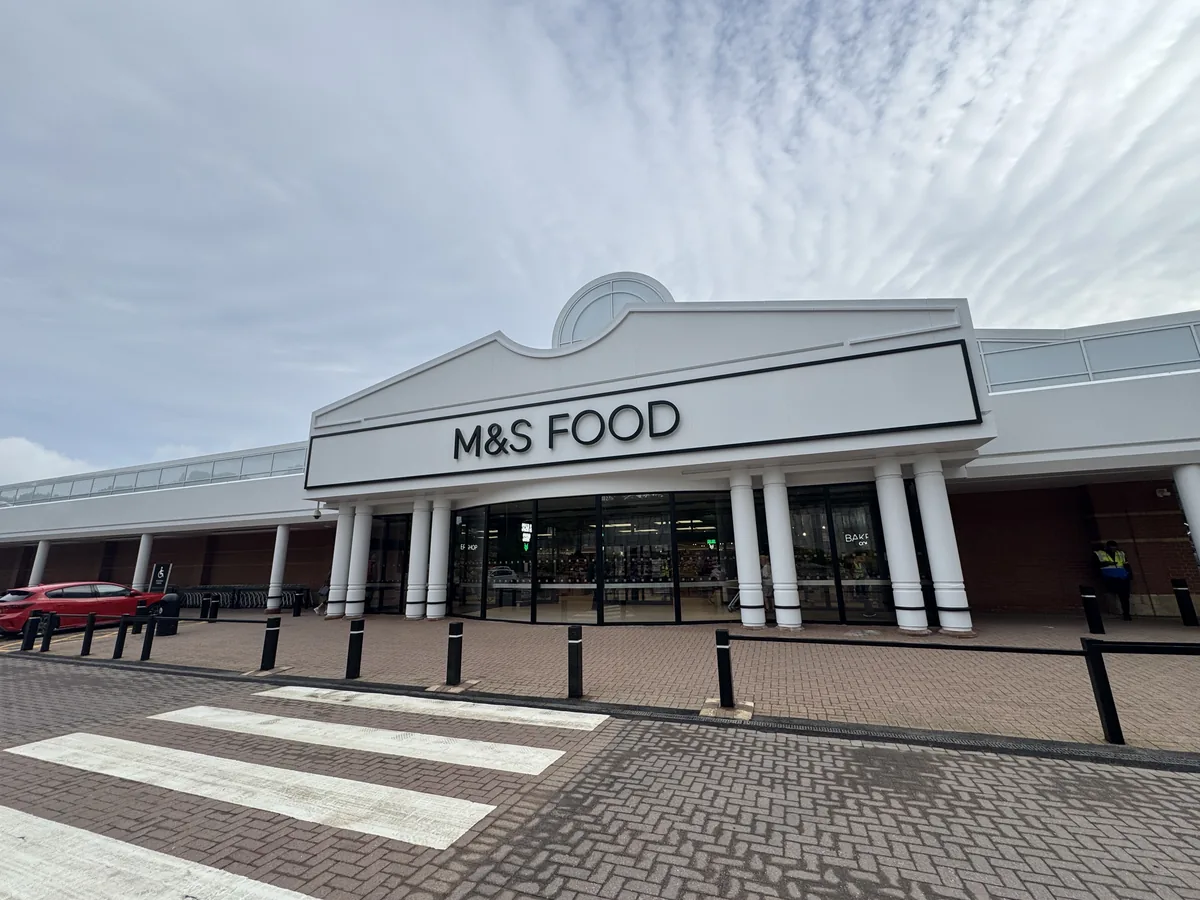
Standeven Flooring’s M&S Food store in Pudsey is the kind of thing that belongs on a Leeds page. It was filmed as it happened, it names the place and it tells a Leeds buyer that this firm has fitted a big retail floor a few miles from them.
- Named jobs and photographs from that town
- The areas you cover from there
- Reviews that mention the place
- Anything about the service that differs locally
- One clear next step
How is a good location page different from a doorway page?
A good one would be useful to someone who landed on it with no search engine involved, and a doorway page would not. That is the test Google applies too. Doorway pages are the copies: the same five paragraphs with Bradford swapped for Leeds, no real jobs, no real people, and Google has been removing those from its results for years.
If you could not write a page about a town without inventing something, you do not have enough to justify the page yet. Do the work there first.
How many location pages should a business have?
As many as it has real evidence for, and usually fewer than it wants. For most West Yorkshire firms that is somewhere between two and six: the main town and the places it works in every month. A page for a village where you did one job three years ago is a page you cannot keep honest.
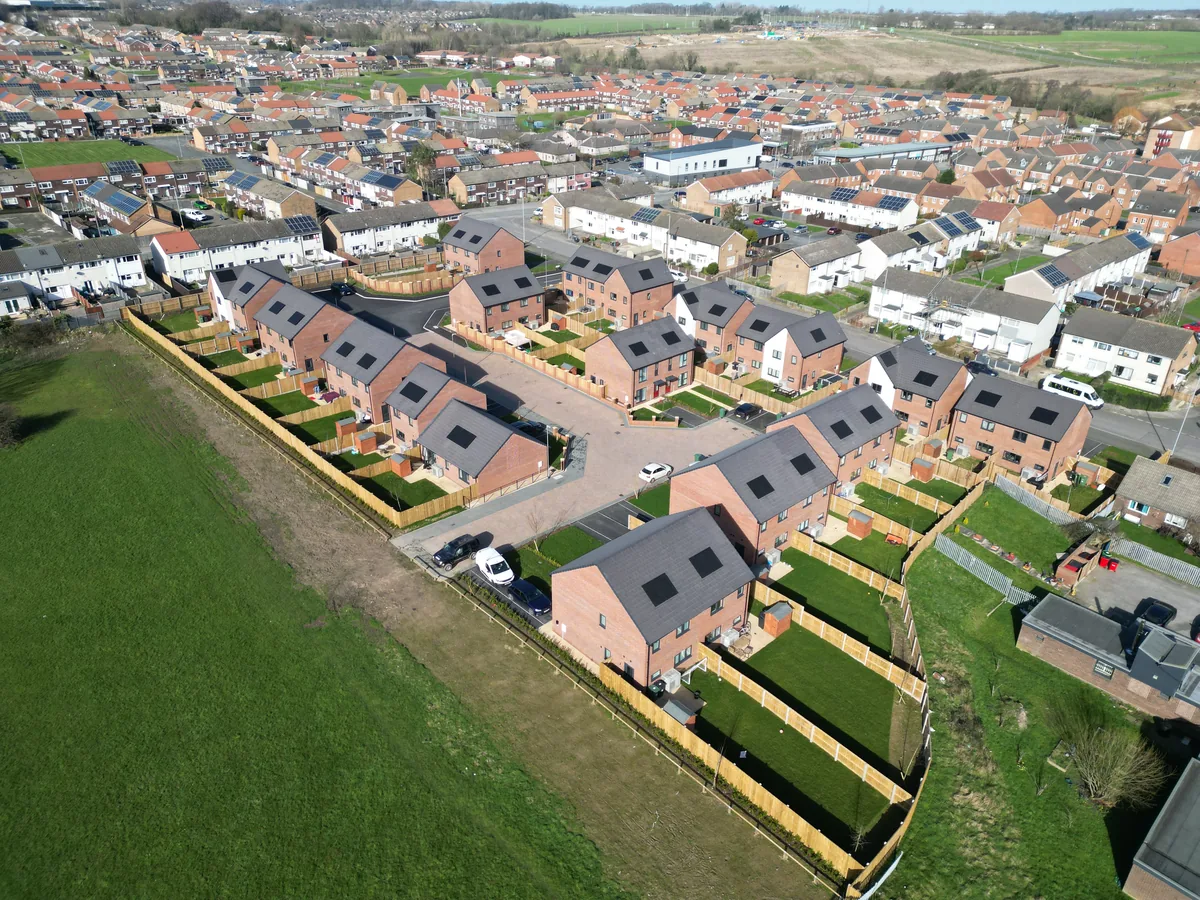
Bond Brickwork’s site carries project locations because the schemes are real and photographed, Swarcliffe in Leeds among them, and that is what a developer searching in that area wants to see.
Should each location page target a different service?
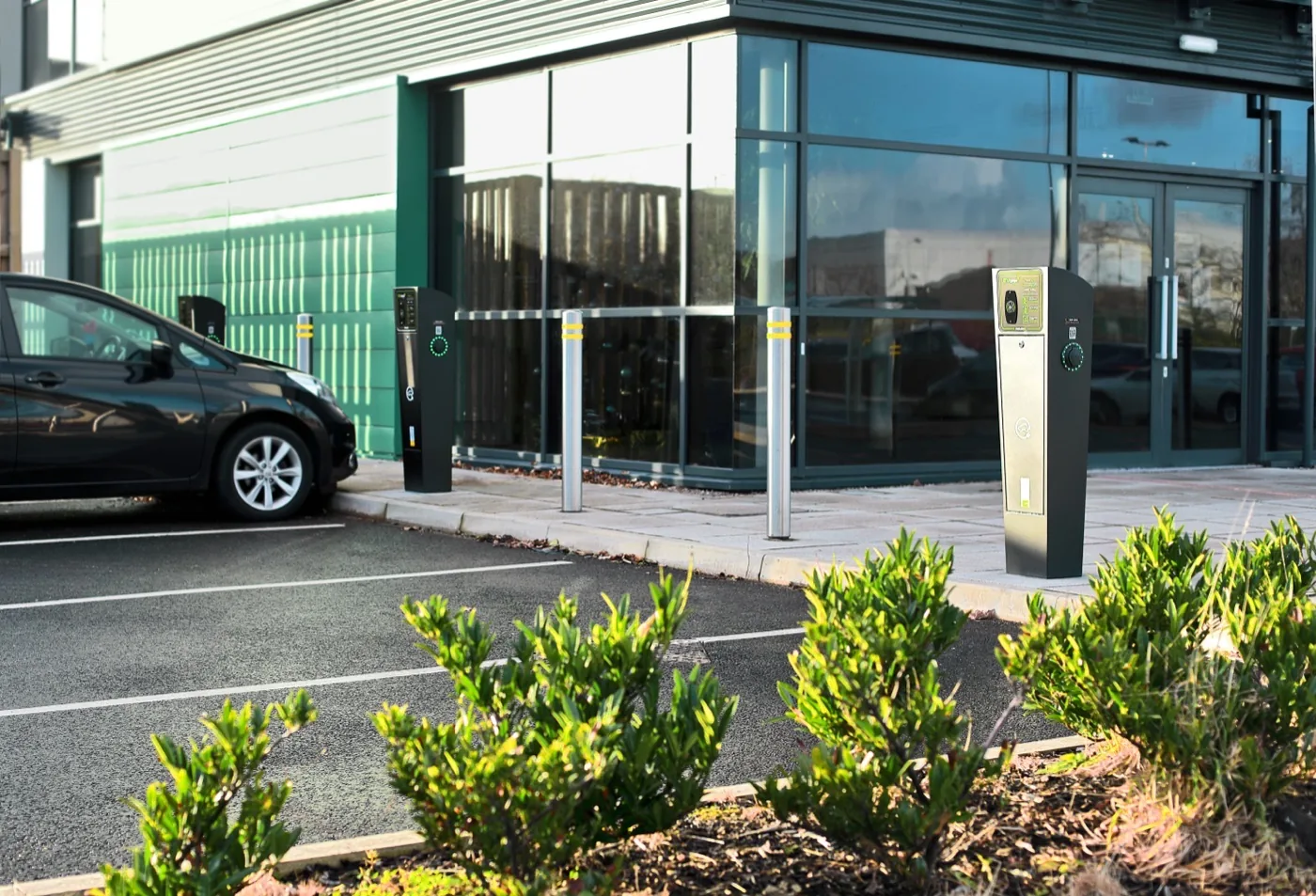
No, one page should do one job. A location page covers the whole business in one town. Where a single service in a single town has real demand, say EV charging in Halifax, it can justify a page of its own, and that is how RB Electrical’s site is built: a page per service, each with enough on it to rank on its own, rather than one page trying to cover everything.
Service pages and location pages then link to each other, so a search for either finds the right one.